
DECODED
Why Words Are Weapons: An Introduction to George Orwell’s Most Important Essay

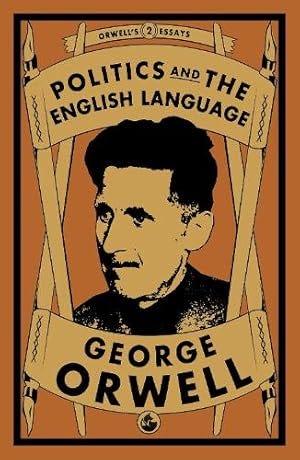
In 1946, George Orwell sat down and wrote an essay that should be compulsory reading for anyone who watches the news, scrolls social media, or has ever listened to a politician speak. It’s all about how words are used to mask reality rather than illuminate it.
He called it Politics and the English Language. It is, simply put, the best thing ever written about how power uses words to lie.
Orwell’s argument is straightforward and devastating: political language is designed not to communicate but to conceal. To make the indefensible sound reasonable. To make state violence sound like administration. To make the theft of land sound like historical destiny. To make bombing a hospital sound like a regrettable operational necessity.
He wrote it in the aftermath of World War Two, watching the language of Fascism and Stalinism do its work on the minds of ordinary people. Feels like it’s more pertinent than ever.
Read it today and you will find Donald Trump, Benjamin Netanyahu, Nigel Farage and Keir Starmer on every page. The specific lies change. The mechanism stays the same.
I came to Orwell’s essay in a moment of personal crisis - wondering why on earth I was unable to play the game any longer I was looking for answers - this essay helped me realise it wasn’t me that was insane - how amazing that a long dead writer can show up in your life at a moment of crisis and put you back on course. I’m a filmmaker and artist, and for the last decade I’ve been making work about power, money and community — who has it, who doesn’t, and what language gets used to keep things that way. Bank Job. Power Station. Films that attempt to do what Orwell says good writing should do: be precise, be honest, and say the thing that needs saying without dressing it up.
I’ve started a DECODE series of videos on Instagram as an experiment — short videos revealing what political language actually means when you strip away the euphemism and the spin. “Collateral damage” means killing children. “Safe zone” means next bombing target. “Legitimate concerns” means racism I can say on television. I’ll be publishing more on these - and I’ll need your help to find politicians and various worlds full of words that hide truth to take as my targets!
The format is simple. The implications aren’t.
I hadn’t thought when I made my first one that I was working in a tradition that Orwell had mapped almost eighty years ago. Every reveal in the DECODE series is an application of his central insight: that clarity is a political act, and that the first step toward changing anything is calling it by its right name.
Below - full and free, I’m linking to Politics and the English Language by George Orwell, first published in Horizon magazine in April 1946.
Read it slowly. Then watch the news.
— Dan Edelstyn, Optimistic Foundation, Walthamstow, 2026
Interesting. I think a lot about indigenous perspectives of power and entitlement (grew up in NZ, with it's own complexity of dominant power structures and challenge of finding truth). They help wake you up out of the social norms we're so used to just accepting without challenging for their sources if harm and extractive thinking.
As I get older, I find myself occasionally being shocked realising the lack of historical knowledge, perspective and understanding in common social listening of the world of propaganda we live in. We don't collectively pay enough attention to where we've learnt these lessons before, this is not the first time in history we're being so dramatically polarised, our economic structures are being so challenged, and our attention is collectively being so actively diverted from where we could actually be taking actions to look after our collective good, but instead loose time in fighting. We're all losers from this.
Curious to hear where you take this.